

Inner Systems Architecture
An 8-week, 1:1 design partnership for people who can carry a lot — but quietly want their joy back.
You’re capable. Responsible. Reliable.
You handle pressure. You keep going. You get things done.
And yet, joy feels muted, distant, or intermittent.
Not because something is wrong with you.
But because the ways you learned to cope were never meant to carry this much, for this long.
Inner Systems Architecture is a taught, design-led practice for understanding how your emotional system adapted under sustained load—and for redesigning it so coherence, ease, and joy can return without effort.
Not because your circumstances changed, but because you did.
Who This Is For
This work is for people who are high-functioning—and quietly depleted.
You might recognize yourself here:
You function well under responsibility, but feel emotionally flat
You’re constantly managing stress, with little access to ease or pleasure
You can’t remember the last time you felt genuinely light or alive
You miss real joy—not just checking boxes and getting through the day
You carry a lot—for work, for family, for others—and rarely stop
You want more, but don’t know how to reach it without everything collapsing
You don’t need another conversation about stress.
You need someone who can teach you how your system adapted, where it narrowed, and how to widen it again—safely.

The Point of View
This work is grounded in a simple, evidence-backed premise:
Emotions are not obstacles.
They are signals about how your internal system is currently operating.
Stress, irritability, shutdown, numbness, and loss of joy are not failures of character or mindset.
They are normal human responses to prolonged emotional load.
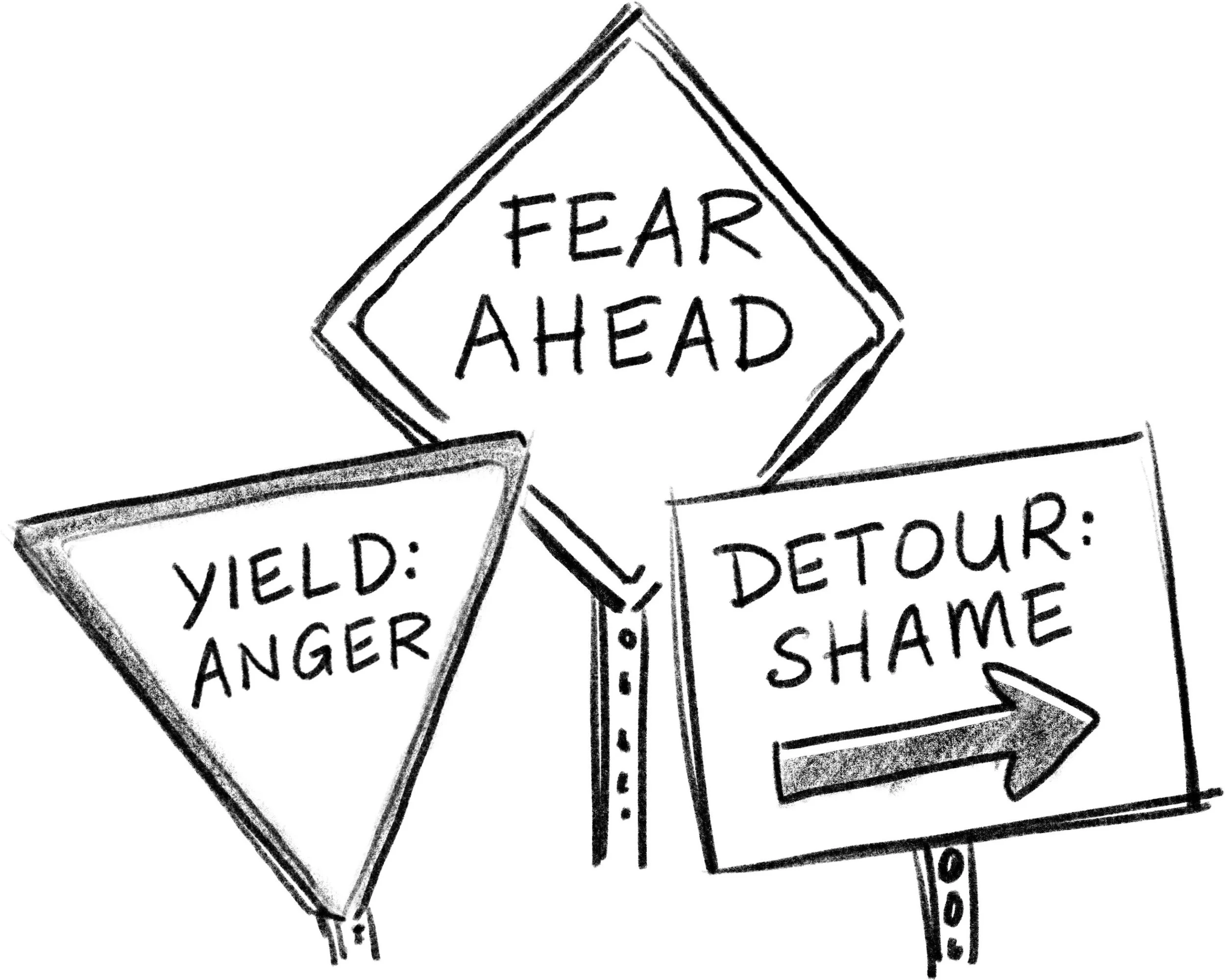
When people don’t have the skills to work with those responses, the system quietly takes over:
reactions become automatic
recovery slows
choice narrows
joy slips offline
Most personal growth approaches try to design a better future on top of this reality.
Inner Systems Architecture works underneath it.
“Joy Studio was the first time I felt like a different future was possible — like I could uncurl from growing smaller, and take a real step forward.”
— Joy Studio ParticipantWhat This Work Actually Is
Inner Systems Architecture is a taught, design-led practice for understanding how your emotional system actually operates—and redesigning it so it can support the life you’re living.
Think of it as a personal design lab:
your real-life moments become the material
emotional states are treated as system signals
new responses are built through instruction, practice, and iteration
I bring a clear point of view, evidence-based emotional models grounded in neuroscience and psychology, precise language, and practical tools that work in real moments—not just in reflection.
Together, we redesign how your inner system responds under real-world pressure, so coherence, ease, and joy become accessible from the inside out.

How the Work Happens
This is an 8-week, 1:1 design partnership focused on learning, experimentation, and integration.
This work is practical, iterative, and designed to meet you where life actually happens.
The Structure
Weekly or bi-weekly sessions
Clear teaching paired with applied design
Grounded in real-life conditions
In Each Session
Learn how emotional systems behave under pressure
Map where your system narrows, overloads, or goes offline
Use simple diagnostic tools to make patterns visible
Identify the most supportive entry point for change
Design small, testable experiments
Between Sessions
Apply one or two designed experiments in daily life
Use practical tools to notice emotional signals earlier
Practice regulation and recovery under real conditions
Refine what works for your system
Progress comes through designed experiments, not force. The aim is movement your nervous system can actually sustain.
You leave with a small, practical set of tools you understand and can apply immediately.
Who This Work Is With
I’m Justine Bassett — a designer and strategist who studies how people function under sustained pressure.
I didn’t come to this work through theory alone. I learned it by necessity — testing and refining these tools through burnout, loss, illness, and rebuilding from the inside out.
Today, I bring together design thinking, emotional science, and embodied practice to help people rebuild coherence and access joy — not as an idea, but as a lived capacity.

Next Step
If this language feels like something you’ve been trying to name,
share a bit about yourself below, and I’ll reach out to schedule a brief conversation.
It’s not a sales call—just a chance to name what’s happening and see whether this way of working fits.
You’ve designed for everyone else. Now, design how you move forward.
FAQs
-
Therapy, coaching, and Inner Systems Architecture are all valid forms of support — they simply serve different purposes.
Therapy is often focused on healing, integration, and making sense of emotional pain, especially when the past needs care and attention.
Coaching focuses on reflection, perspective, and forward movement, often through conversation, insight, and accountability.
Inner Systems Architecture is a taught, design-led practice. It focuses on learning how your inner system responds in real time — particularly under pressure — and developing practical tools to work with those responses more skillfully.
The emphasis is on instruction, experimentation, and integration: observing patterns, testing small changes, and building capacity through use, not force.
Many people engage in this work alongside therapy or coaching. The right choice depends on what you’re working on — and how you want to work.
-
This work is grounded in well-established research from neuroscience, psychology, emotional regulation, and embodied practice.
What’s missing in most people’s lives isn’t information — it’s translation. Most of us were never taught how emotions work in the body, how stress narrows choice, or how recovery restores coherence.
Inner Systems Architecture translates that research into practical, usable tools — so people can work with normal human emotional responses skillfully, rather than interpreting them as personal failures.
-
Sessions are active and structured. Each one includes:
clear teaching about emotional states and system behavior
mapping where your system narrows or overloads under pressure
learning and practicing specific tools for regulation and recovery
applying those tools to real moments in your life
This is not open-ended talk. It’s applied learning — focused on building capacity that transfers beyond a single situation.
-
No. You don’t need emotional fluency — you build it here.
What helps is curiosity, willingness to learn, and readiness to practice in real life. This work assumes emotions are normal human responses, not problems to fix or traits you should already have mastered.
-
Some people continue practicing through Joy Studio, master classes, or occasional 1:1 support. Others feel complete after the initial engagement.
The goal isn’t dependency — it’s fluency. The work is designed so you leave with skills you can use on your own. But you’ll also be part of the Joy by Design community, which gives you access to special workshops and members-only events. We all keep learning on this journey.